In the Studio: Michael Arcega
“It's this kind of alchemical thing that happens when you abstract a word. It c...
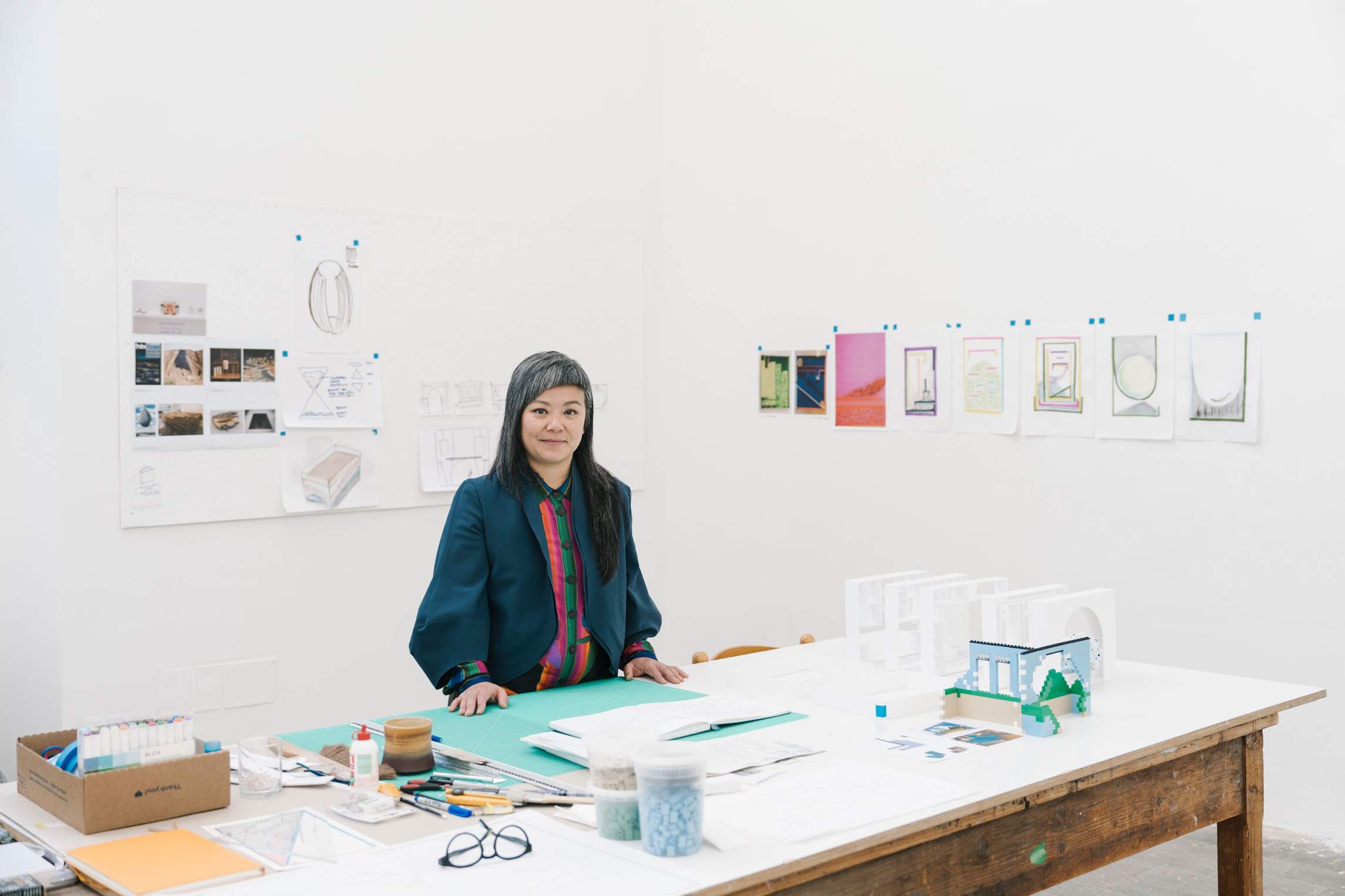
Lan Tuazon is a Chicago-based sculptor and a 2025 Joan Mitchell Fellow. We interviewed her about her work and creative practice in March 2026. The following is excerpted and edited from the artist’s responses.
I am a sculptor. I make everything from carved marble to plastic forms, using medieval to modern methods of making. I don’t just make things, I make things happen. I’m a systems builder and I make sculptures that are radically out of place in our current, conventional reality.
Human beings make things, but things can also make us, objects co-constitute subjects. Things define humanity. With that, I’ve practiced sculpture as a discipline that can systematically rebuild possibilities of being—or better, spaces and things that produce divergent subjects.
Producing one’s own culture is one of the most powerful things you can do. I see possibilities of life and possibilities of being as too predetermined by class, and delimited by capital. One quick way to become poor is to deal in the currency you don’t have, so I deal in the cultural currency I have, which centers on the meaningfulness of life with lived, embodied experiences.
I'm interested in systems rooted in life and situated in the open world. Today when we hear the word “system,” we immediately think of systems as structures of power and ideology, but cultural traditions are complex systems of belief and rituals are complex embodiments of values and belonging in the world. I grew up in the Philippines and still today feel connected to cultural traditions, habits, customs, and rituals. I remember magical stories and reanimate them symbolically and habitually in my everyday life. I remember rites complete with symbolic accoutrements—tokens, talismans, and totems. To me, the sculptor is the village doctor who builds things as an externalization of our human drives and human powers, as inherent forces in being alive.
My studio is located in the geographic center of Chicago. We live in a storefront building that was initially built as a funeral home, but that was over 120 years ago. There are no ghosts, but I find the building’s history relevant to sculpture’s preoccupation with ephemerality, life cycles, and death. Living quarters are upstairs and the entire first floor is an open floorplan of my studio.
This year with the Joan Mitchell Fellowship, I’m focusing on redesigning my studio as a flexible space that will allow me to maintain a constantly changing practice.
Art is an embodied practice, and because I have an appetite for calm, curiosity, and connection, I fuel my work with habits and practices conducive to being in those states of being. I read, draw, and listen to stories all day long. I take deep dives into learning traditional crafts and I zone in to fuel my practice.
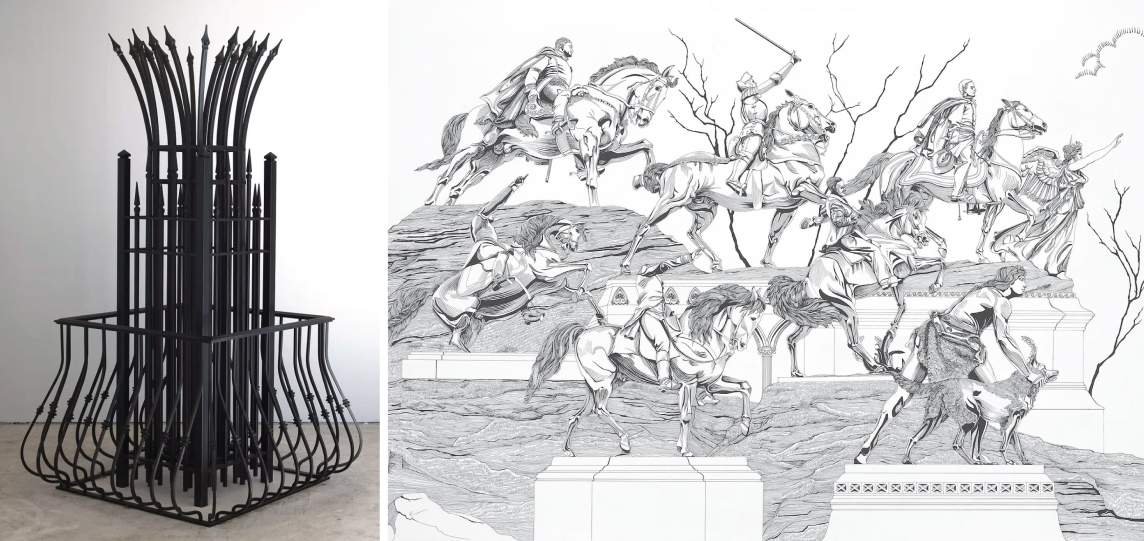
My projects can start with either a critical or a propositional prompt. A critical practice starts with research and is conceptually driven. Earlier in my practice I would begin with anthropological and socio-political research on how systems are socio-economic expressions of power and made art critical of that. I’m thinking of my earlier work on power and public monuments such as Architectures of Defense or Army Park. Then I realized the problem of critique is you’re lining up to a conversation that pre-exists you, and lo and behold, power resumes.
So I shifted into a propositional art practice. Working from what I know critically, I don't have to just react, I can act! Art is my counter proposal. Recently, I’ve been making work that starts with a question. I make installations that stage shared experiences that can lead to discovery. We know so much and feel so little. Experience is limited to what we see and it all happens in the head. My proposal is to return to an art form that is embodiment of experience, to feel what we know, to catch a feeling.
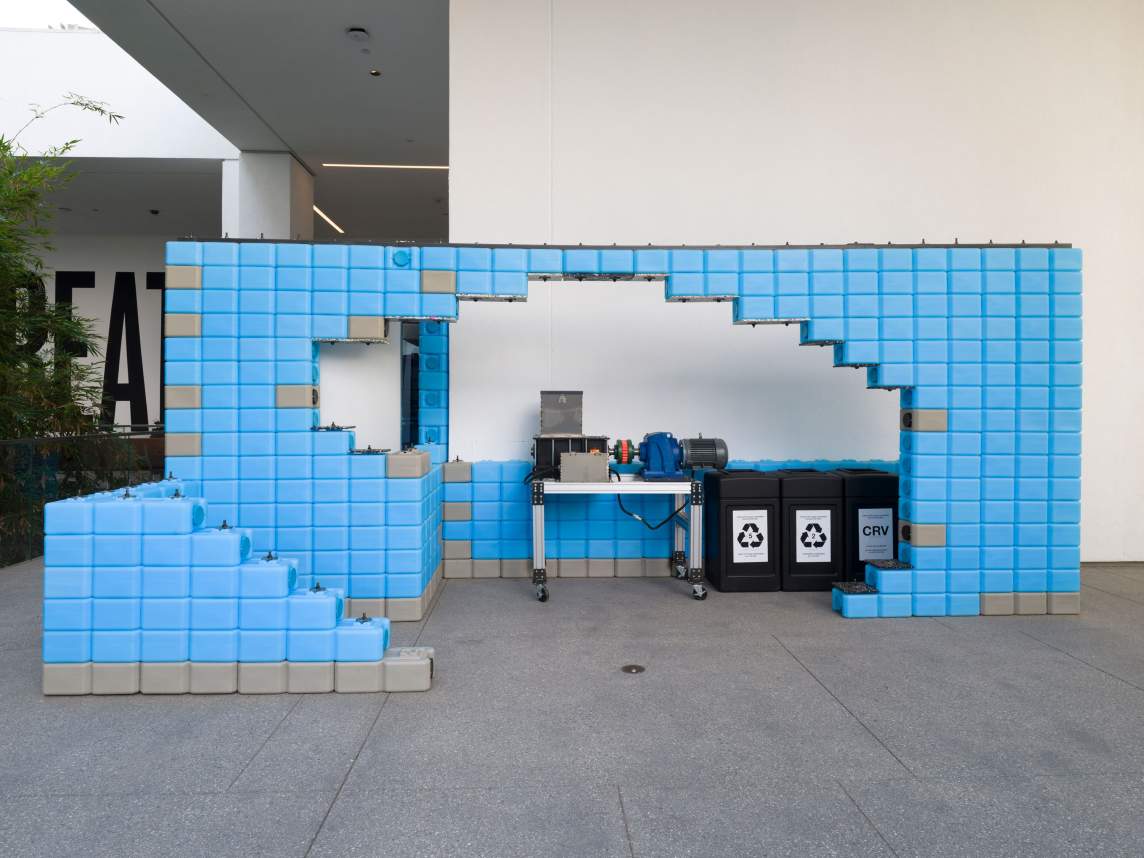
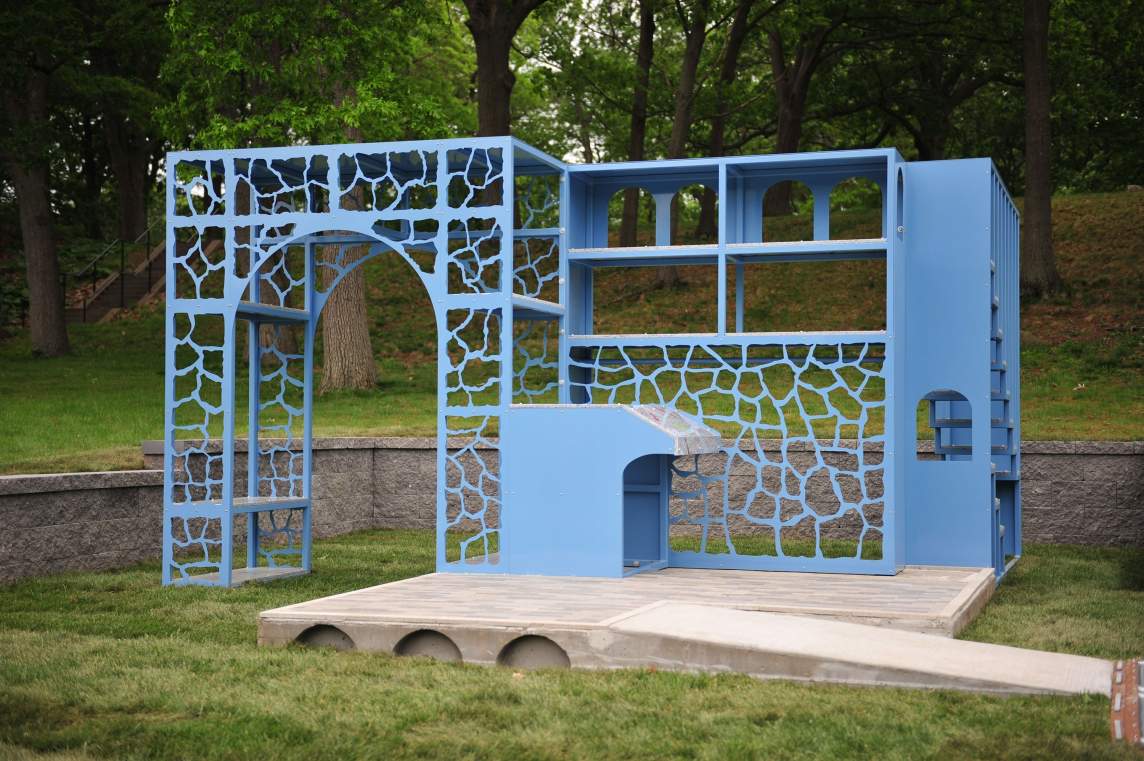
I work on decade-long projects. My current project, started in 2020, is five test-sites for environmental and civic change—making art with the instinct of survival. I just opened Matters of Consequence with Sam Toabe, University Hall Gallery curator for UMASS Boston. The work is my third test site, which asks, what happens when the viewer enters and occupies public art as a socially marked site?
Matters of Consequence is a platform for cultural customs of care and climate-conscious ideas. It also serves as a pedestal to honor the work of grassroots efforts and organization.
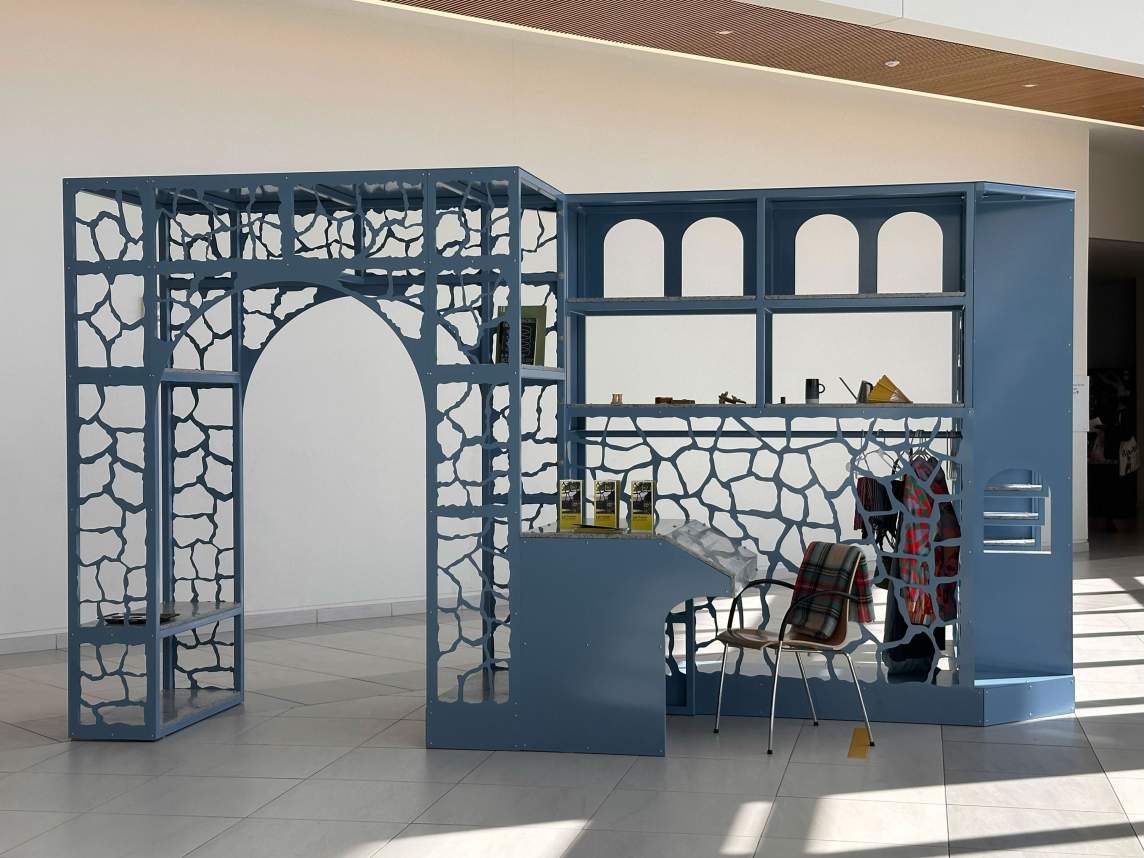
I’ve designed Matters of Consequence as a platform and a flexible place to test out different ways we can meet and gather. More importantly, there is the formal installation of the work, but there is also the real social and economic conditions of the work. There is an Open Call that seeks proposals from faculty and students to host activities to occur onsite of the work. The yearlong installation funds and supports student initiatives from storytelling, skill share, clothing and book drives, or how-to’s. The formal and real conditions of the work hope to discover more abstract conditions of connection, collectivity, and powers of the social. I really hope UMASS students begin to use the installation as a third space.
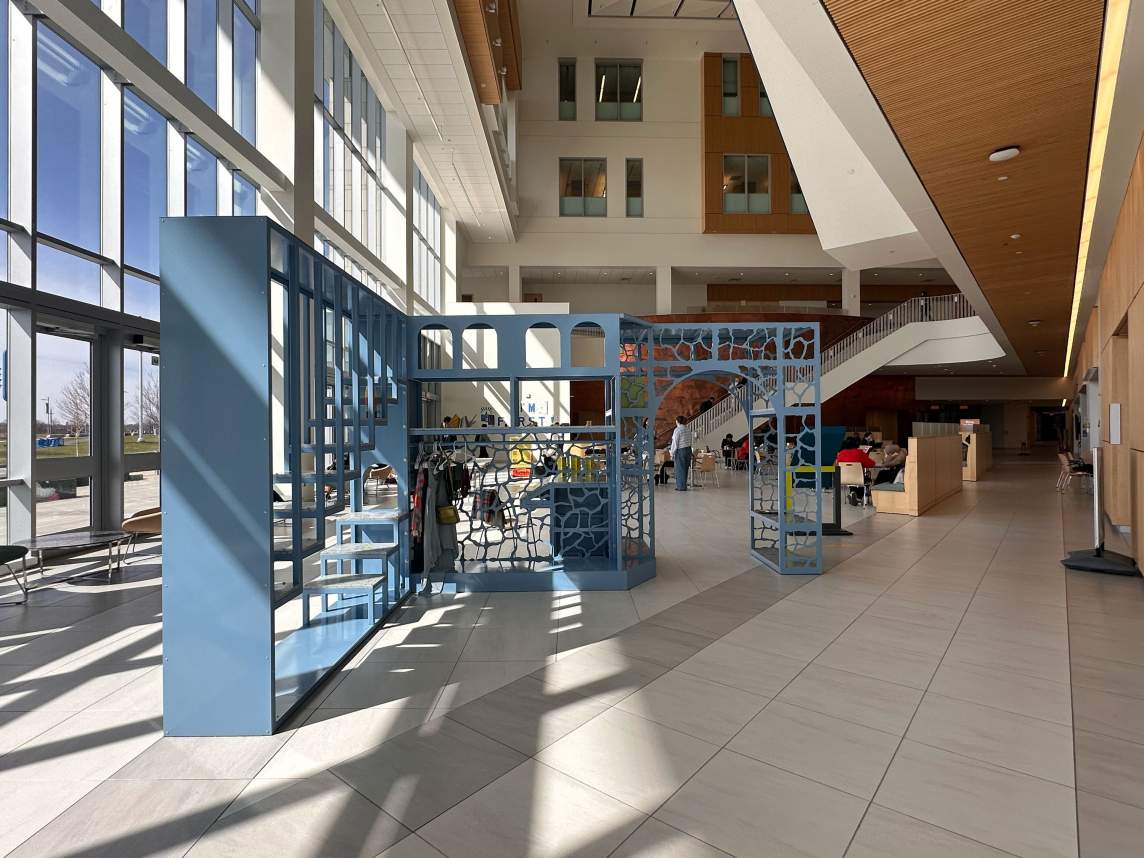
I still have five more years to finish two more test-sites. I look forward to discovering the questions and inquiries that will guide them. My decade-long projects occur out in the open and are what publicly represent the practice, but these projects are also cover for me to work quietly, privately, and with solitude on artwork—sight-unseen, process-based, and experimental. These hidden artworks are what feed the artist in me and protects the person in me from having to justify the works. I’ve finally figured out a way to double the practice, both career and personal expression, and gain some privacy in art making—such a primal thing.
Interview and editing by Jenny Gill. Learn more about Lan Tuazon’s work at lantuazon.com